Programme Overview
With the large-scale integration of renewable energy, increasing demand for power system flexibility, and the accelerated digitalization and intelligent upgrading of urban infrastructure, energy systems are undergoing profound technological transformation. Modern engineering is gradually shifting from single-discipline local optimization to coordinated design across multiple systems and scenarios. How to achieve stable, efficient, and sustainable operation within complex energy networks, automation control systems, and communication architectures has become a key challenge for the new generation of engineers.
This programme takes “Systems Design and Engineering Thinking+” as its core theme. Covering system architecture, functional requirements, risk identification, and solution design, it aims to cultivate students’ abilities in abstraction, modeling, and optimization within complex multi-technology systems. The course emphasizes interdisciplinary integration and engineering judgment, enabling students to develop a systematic way of thinking—from overall structure to detailed implementation—when dealing with large-scale energy systems, control networks, or information engineering projects.
Building on this foundation, the programme further introduces advanced modules centered on “Smart Grid”. Starting from the fundamental logic of power systems, and incorporating real-world challenges such as renewable energy integration and system flexibility, the module guides students to understand the critical role of future urban energy infrastructure in digitalization, intelligence, and sustainable development. It also lays a solid foundation for further study in new energy, electrical engineering, or urban systems.
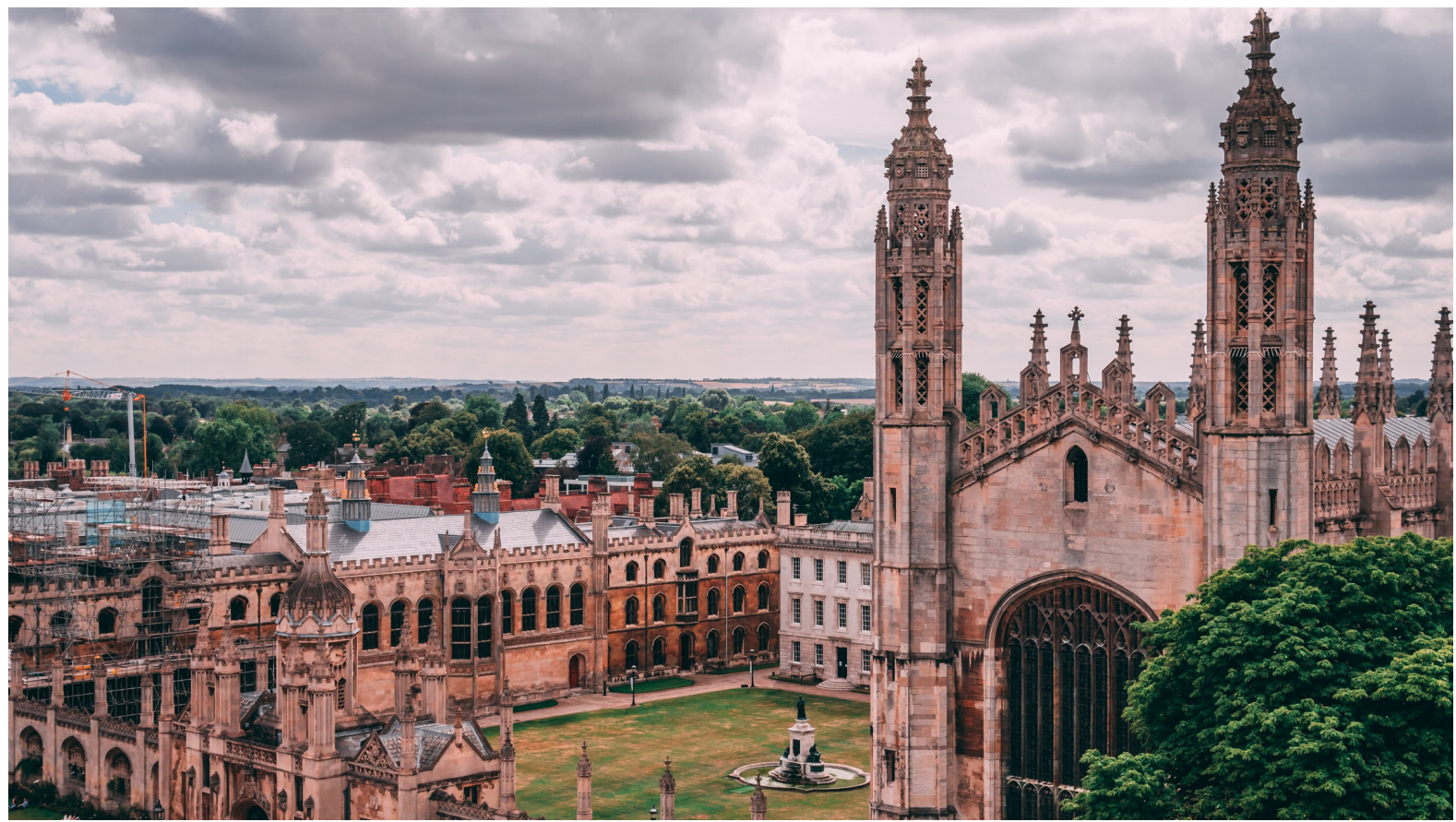
In addition, the programmeincludes a visit to the Dyson Centre at the University of Cambridge Engineering Department, helping students build structured analytical frameworks for understanding complex engineering systems.
Enrollment
Up to 30 students will be selected from across the university.
Programme Highlights
1. Interdisciplinary Integration:Focus on “AI + Energy + Urban Development,” guiding students to explore how artificial intelligence can enhance the efficiency and resilience of energy networks
2. Development of Systems Thinking: Progressing from fundamental power system principles to advanced topics such as smart grids, renewable integration, and system flexibility, helping students build a comprehensive knowledge framework
3. Project-Based Learning (PBL): Innovative project-based teaching model, with Cambridge professors guiding practical research projects to enhance teamwork and academic competence
4. Dyson Centre Laboratory Visit: Bridging abstract system design concepts with real-world physical prototypes and equipment, offering immersive exposure to world-class research environments
I.Course Information
Programme Dates: July 27, 2026 – August 9, 2026
Total Hours: 46 hours(1 hour per session), including lectures, workshops, seminars, site visits, and cultural activities
Course Modules:
1) Systems Design & Engineering Thinking+
2) Fundamentals of Power System & Smart Grid
3) Representative Faculty:
Prof. John Clarkson
Fellow of the Royal Academy of Engineering
Professor of Engineering Design, University of Cambridge
Director of the Cambridge Engineering Design Centre and Co-Director of Cambridge Public Health, University of Cambridge
II. Course Structure and Content
Lecture: Professional lectures delivered by professors
Workshop: Targeted guidance on group PBL projects
Seminar: Group research conducted with teaching assistant support
Project Report: Presentation of project outcomes
Evaluation: Assessment and feedback on group and individual performance
III. Program Outcomes
Assessment Method: Group presentations and written reports
Certificate: Students who complete the programme will receive an official certificate signed by the professor
Academic Report: Upon successful completion and defense, students will receive an academic report certified by a UK academic committee, which can be submitted through university application systems in the UK and US
IV. Program Fee
Total Cost: £3,250 per person
Included:
Tuition and teaching support
Electronic course materials
Accommodation at Cambridge colleges
Breakfast and lunch (Monday–Friday)
Cultural activities arranged by the programme
Airport transfer (London–Cambridge) on arrival/departure days
UK domestic insurance during the program
Not Included:
Airfare and personal transportation
Visa-related expenses
Meals during free time (no meals on arrival/departure days; no dinners on weekdays; no meals on weekends)
Personal expenses beyond program arrangements
Funding:
University funding policies follow the official Southeast University guidelines:
https://jwc.seu.edu.cn/gj/2023/1017/c24751a468683/page.htm
Additionally, the School of Electrical Engineering provides partial scholarships for its students. Students from other schools should consult their respective departments for funding policies.

School of Electrical Engineering,SEU,China Sipailou 2#,Nanjing,Jiangsu Province,210096 P.R.China
Postcode:210096
025-83792241