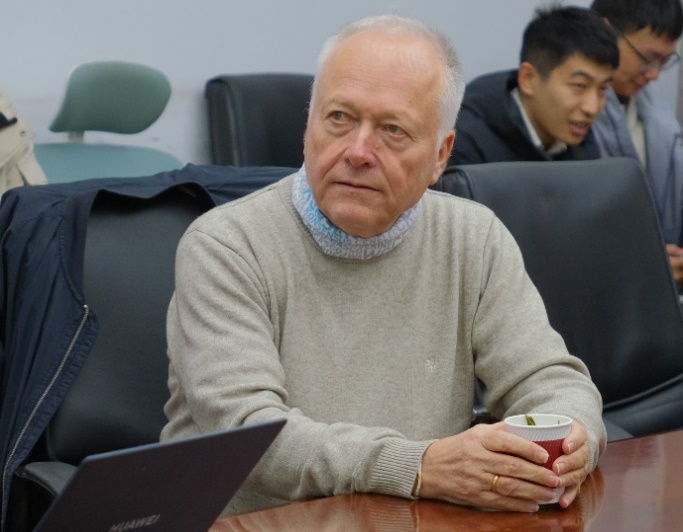
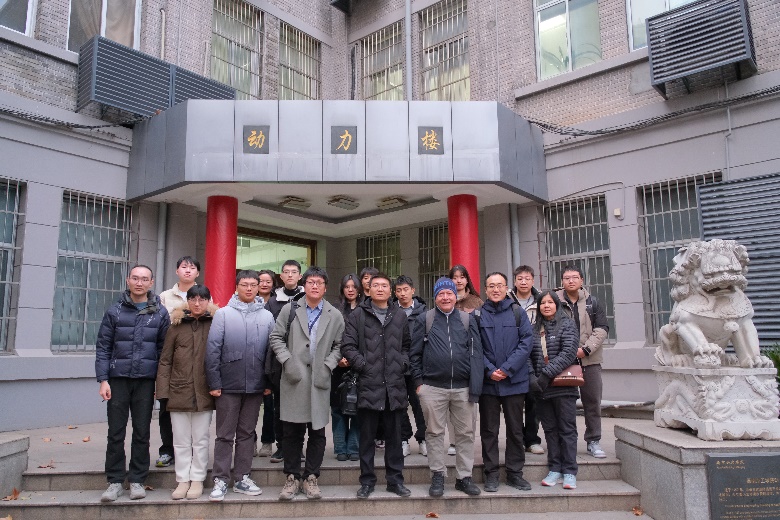
On the afternoon of January 9, 2025, Asbjorn Hovsto, the technical expert of ISO/IEC JTC 1/SC 41 (Internet of Things) and the head of the Norwegian delegation, along with Xin Fang, the deputy director of the State Grid Jiangsu Electric Power Research Institute, visited our school for technical exchange. The visit aimed to strengthen cooperation and communication between the two parties in the field of Wireless Power Transfer (WPT) technology, and to promote industry-university-research collaborative innovation and international scientific research cooperation. Qinran Hu, the vice dean of the school; Linlin Tan, the deputy director of the Department of Power Electronics; Yifei Wang, a faculty member of the school; and relevant personnel from the Wireless Power Transfer Technology Laboratory attended the exchange meeting.
Asbjorn Hovsto serves as the Chairman of the Norwegian National Standards Committee NK JTC 1/SC 41 (Internet of Things). He is the CEO of Hafenstrom and oversees several Horizon 2020/Horizon Europe projects. He plays a pivotal role in the standardization of IoT and Digital Twin technologies, particularly in advancing the development of Norwegian and international standards.
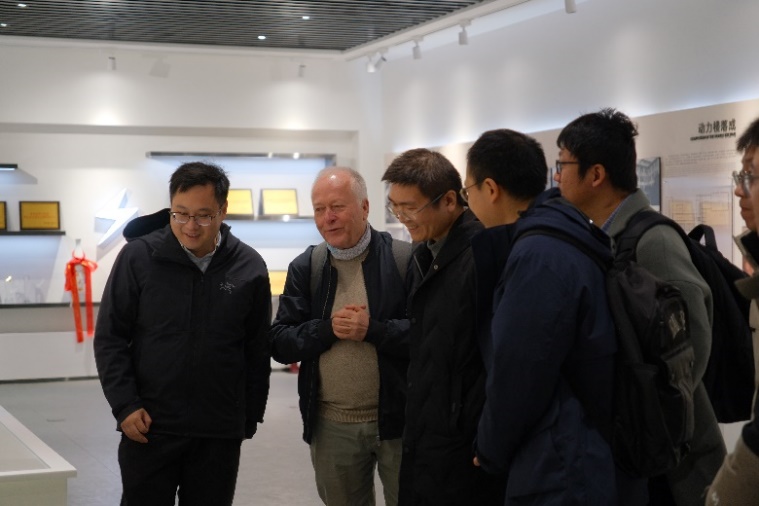
Prof. Hu guided Asbjorn Hovsto and his delegation through the School History Room, reviewing the significant achievements and major milestones the school has reached across different historical periods, showcasing the school's profound cultural heritage and academic legacy. At the same time, he provided a detailed introduction to the school’s discipline construction, faculty resources, scientific research platforms, and talent cultivation, creating a positive atmosphere for the guests to gain a deep understanding of the school.
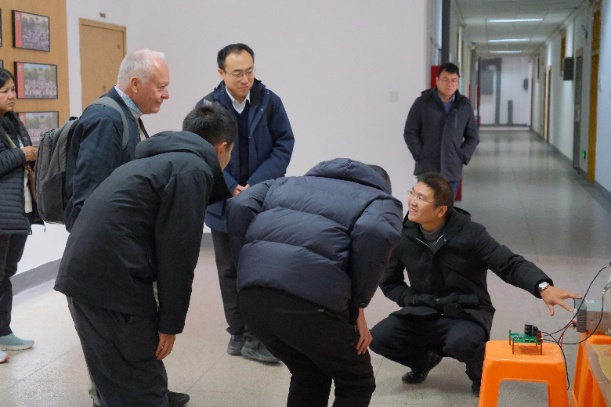
Subsequently, the delegation visited the school's Wireless Power Transfer Technology Laboratory. Prof. Tan presented the laboratory's scientific research achievements and reported on the latest research progress. During the symposium, both parties engaged in in-depth and productive discussions on key topics such as industry-university-research collaborative innovation and international scientific research cooperation, laying a solid conceptual foundation for future collaboration.
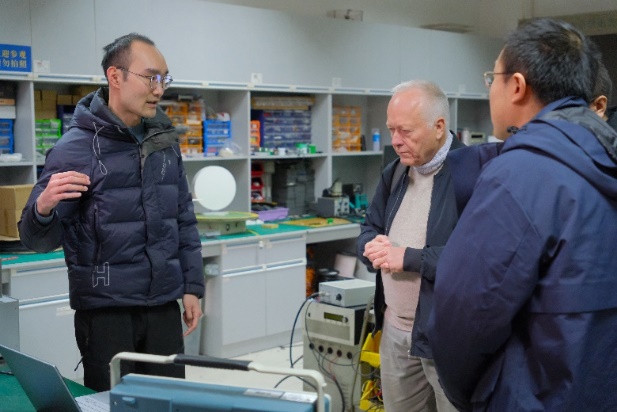
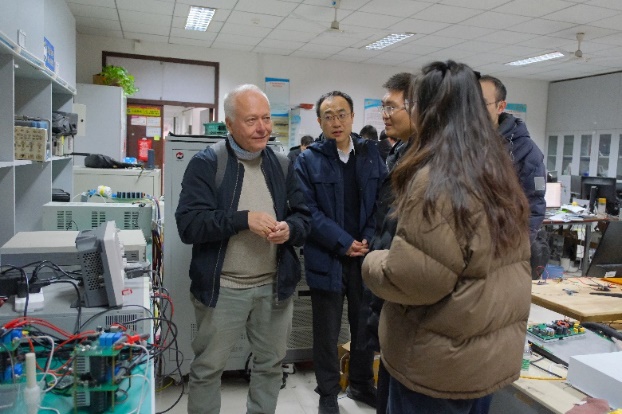
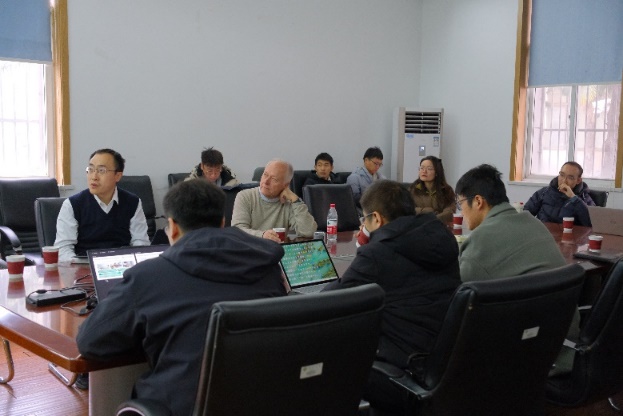
Furthermore, both parties actively shared their valuable experience, forward-looking thoughts, and challenges in their respective fields, jointly exploring points of convergence and innovative paths for cooperation. Asbjorn expressed his hope to strengthen communication and international cooperation in the future regarding low-carbon buildings, wireless power supply, and other technologies.
Contribution: Zheng Jianyong
Preliminary Review: Zhong Linlin
Final Review: Gu Wei