On March 25, 2025, a delegation of faculty from Southeast University’s School of Electrical Engineering, led by Gu Wei (Secretary of the Party Committee) and Cao Yi (Deputy Secretary of the Party Committee and Vice Dean), partnered with Jiangsu Electric Power Co., Ltd. for a focused site visit and technical seminar on advanced DC transmission technologies.
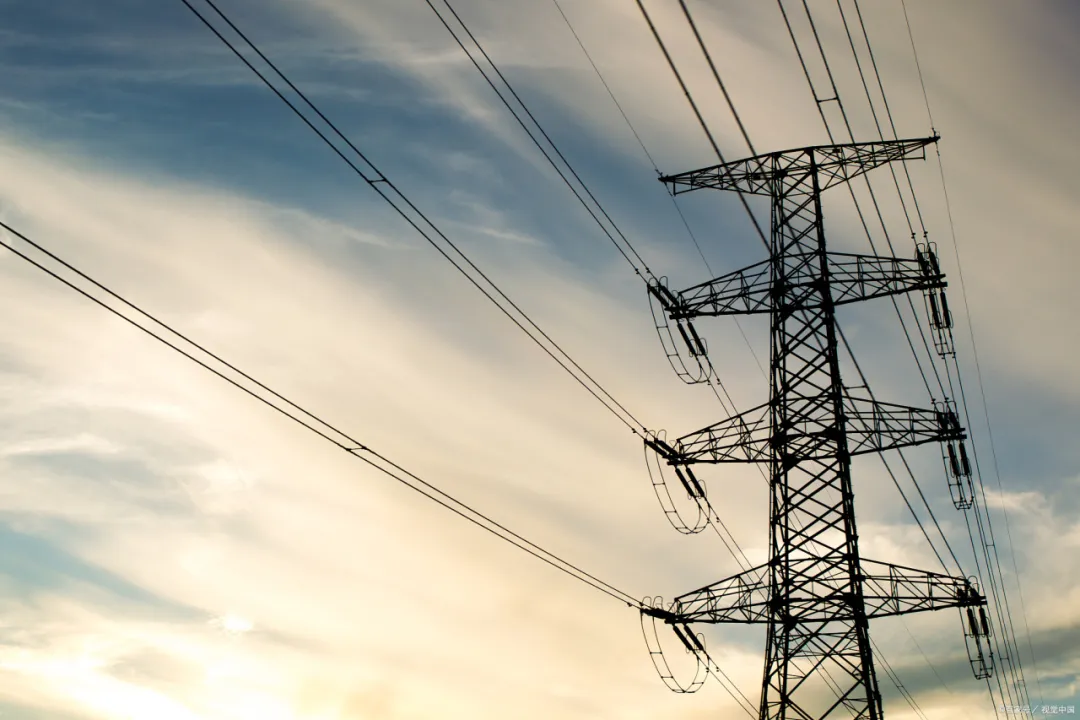
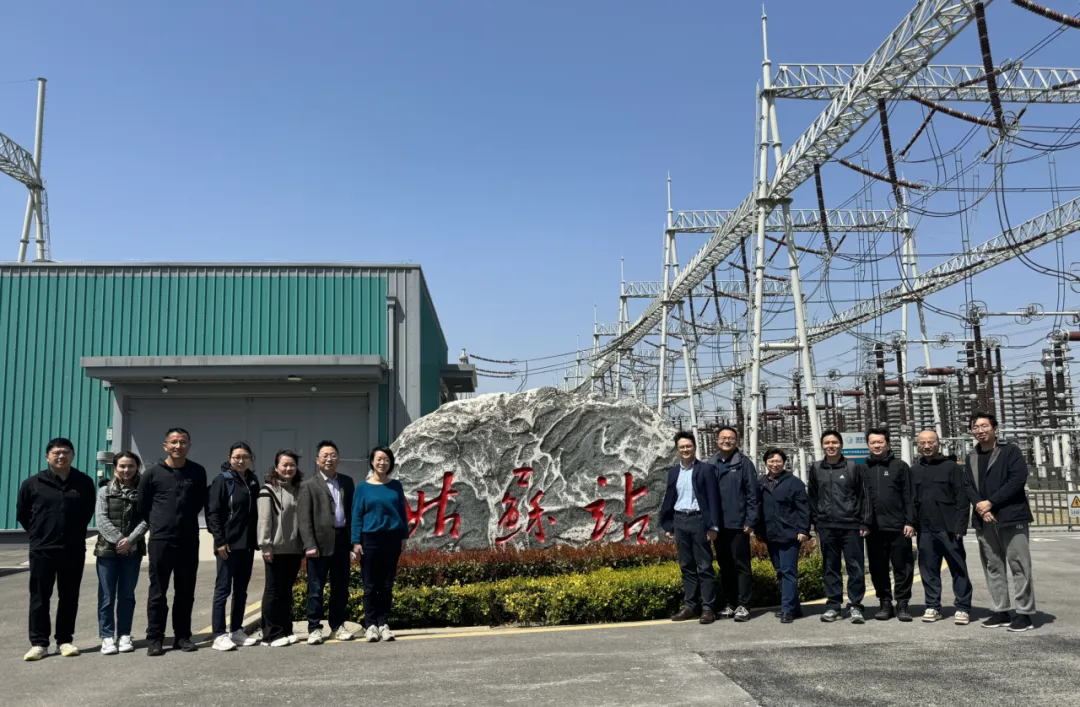
The team conducted on-site inspections of two key facilities: the State Grid ±800kV Gusu Converter Station and the Lingkou ±200kV Converter Station (part of the Yangzhou-Zhenjiang DC Phase II Project). Following the visits, they engaged in comprehensive technical discussions with leaders and senior engineers from Jiangsu Electric Power’s DC Technology Team, concentrating on cutting-edge DC transmission solutions for China’s new power system.
1. Exploring the “West-East Power Transmission” Artery: On-Site Tour of Gusu Converter Station
Nestled in Suzhou, Jiangsu, the Gusu Converter Station serves as the terminal hub of the ±800kV Baihetan-Jiangsu UHV DC transmission project, tasked with delivering clean hydropower from Sichuan Province to Jiangsu’s grid. It leverages State Grid’s world-leading hybrid cascaded UHV DC technology, which integrates conventional UHV DC (boasting large capacity, long-distance reach, low energy loss, and high reliability) with flexible DC systems (offering agile control, strong grid adaptability, and robust system support).
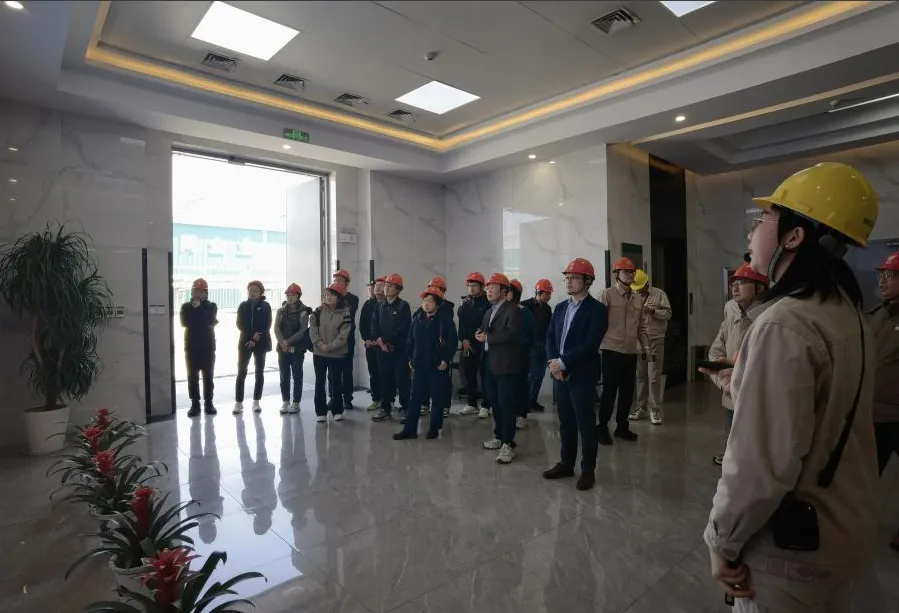
In the main control building’s first-floor exhibition hall, station staff walked the university delegation through the project’s topology, operational mechanisms, and key supporting equipment—including controllable energy dissipation devices and amplitude-phase correctors. The team learned that the project has notablyspurred the development of 20 new types of equipment and the deployment of 19 pioneering technologies. Crucially, the station’s controllable self-restoring energy dissipation unit is the first of its kind globally, while core components such as converter valves, DC wall bushings, and DC switches are fully domestically developed. These innovations have driven a technological leap in China’s power sector and solidified the nation’s leadership in UHV DC transmission.
Up in the third-floor main control room, staff shared real-time power operation data for the Baihetan-Jiangsu link and highlighted its flexible power interconnection capabilities. As Suzhou is the load center of East China’s power grid—with a mismatch between local load distribution and power generation capacity—the converter station’s advanced power control functions enhance Jiangsu’s ability to regulate power flow between northern and southern Suzhou, ensuring grid stability.
2. Advancing Embedded DC Transmission: Insights from Lingkou Converter Station
The Lingkou Converter Station is a critical component of the Yangzhou-Zhenjiang DC Phase II Project. Building on the success of Phase I’s embedded DC system, Phase II boosts cross-river transmission capacity by an additional 1.2 million kilowatts without constructing new cross-river corridors, effectively easing north-to-south power delivery bottlenecks. The project also pioneers independently developed SLCC DC transmission technology, which further improves grid operational flexibility. It plays a pivotal role in expanding Jiangsu’s cross-river power transfer capacity, absorbing clean energy from northern Jiangsu, and optimizing regional grid structure—all key to advancing China’s clean, low-carbon, safe, and efficient new energy system.
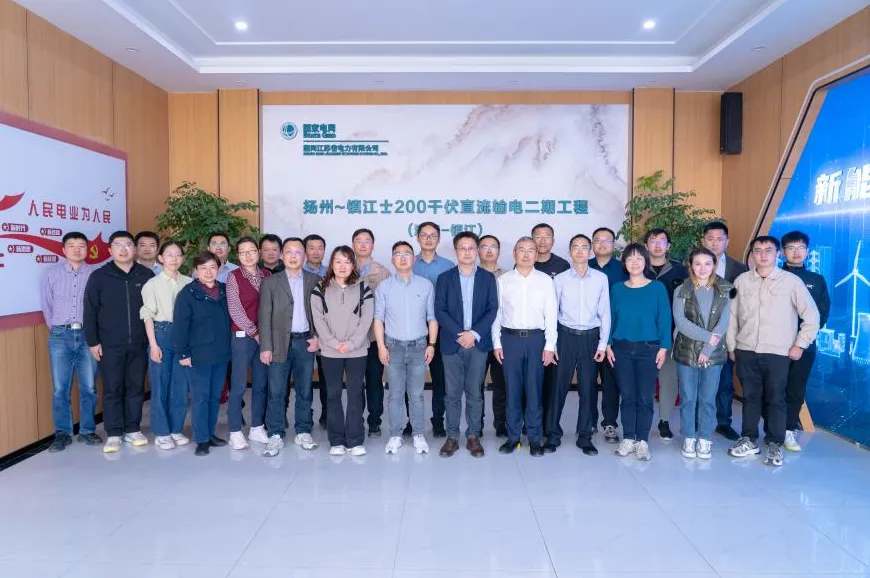
During the visit, faculty toured the Yangzhou-Zhenjiang DC Phase II exhibition hall and the Lingkou Converter Station construction site, gaining a holistic understanding of the project’s planning, technical breakthroughs, construction milestones, equipment layout, and operational status.
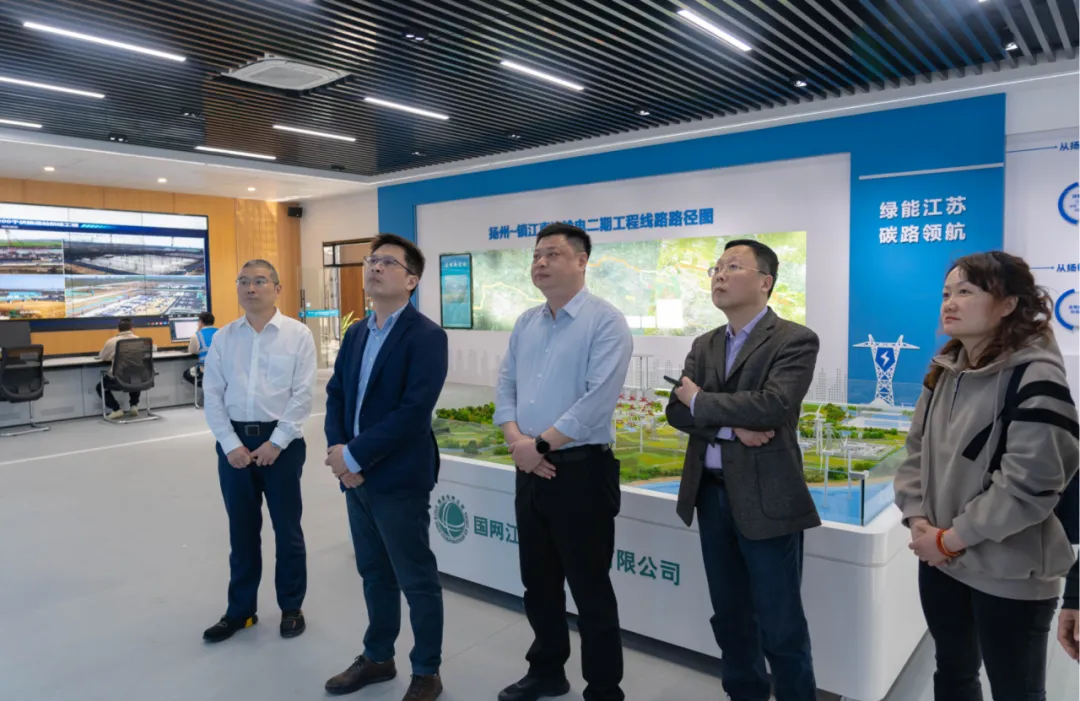
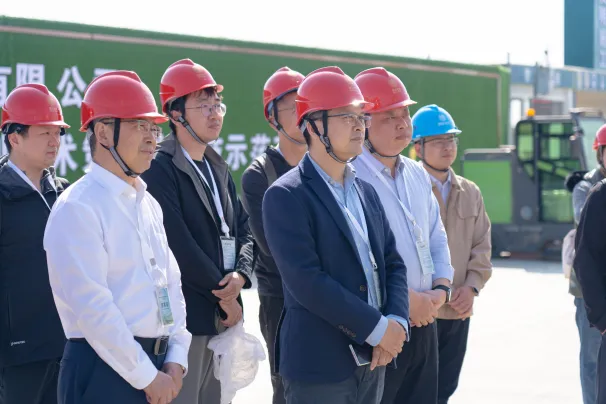
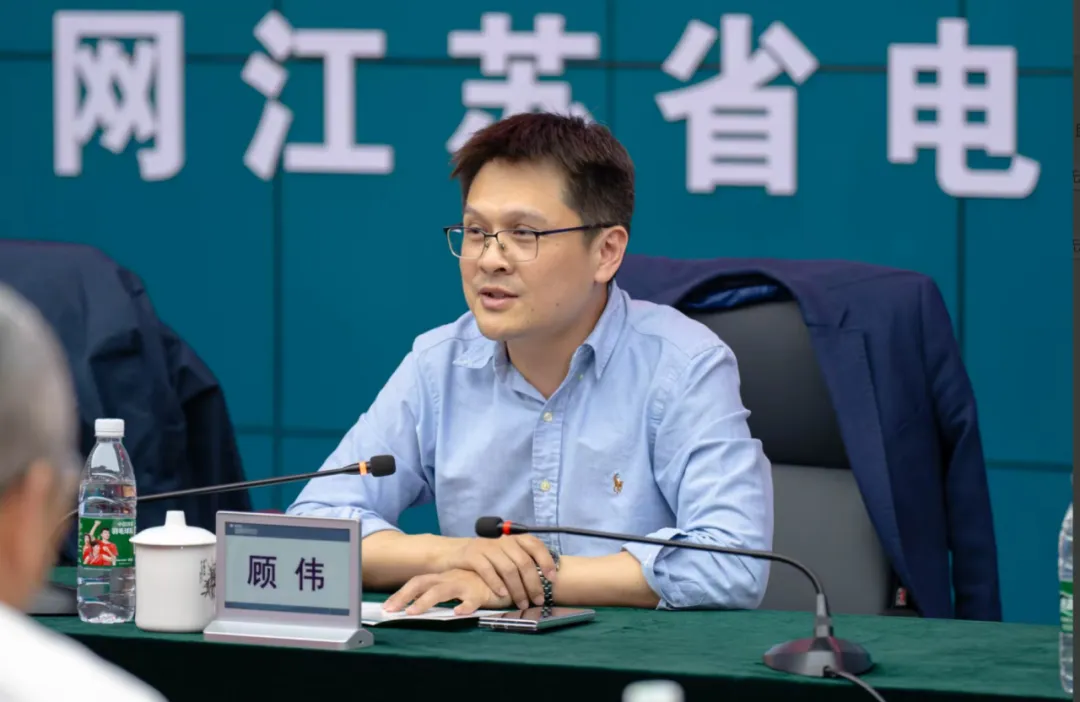
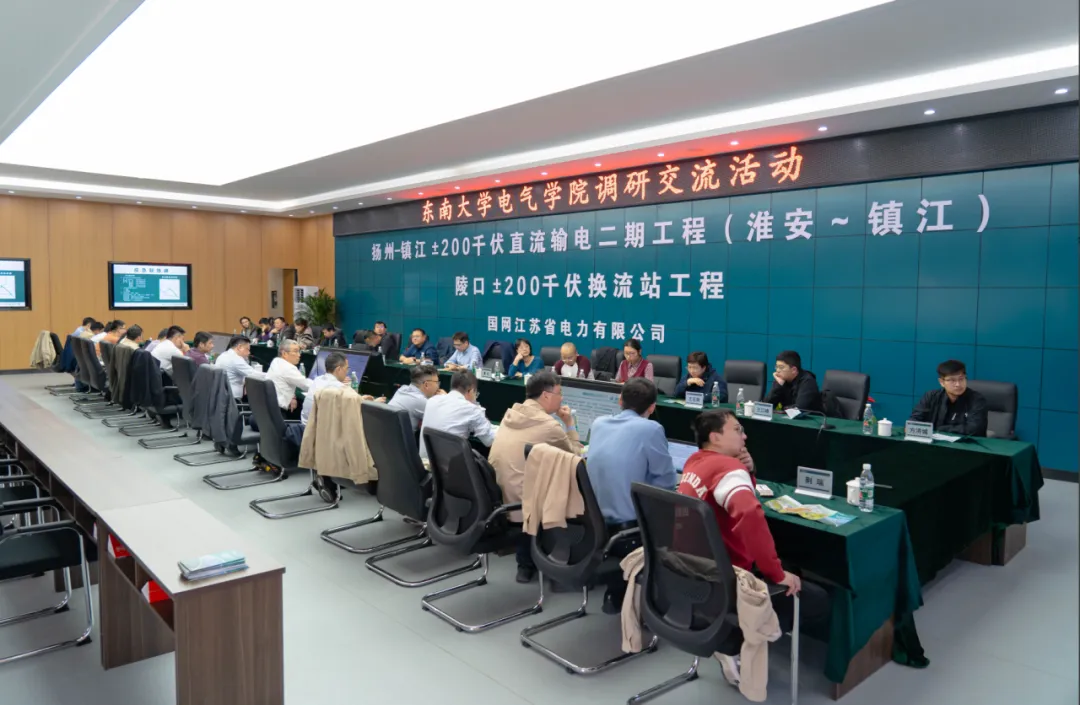
Following the site visits, university faculty and Jiangsu Electric Power’s DC team convened for a roundtable discussion. The two sides exchanged updates on ongoing DC transmission project construction and R&D progress, then engaged in a deep dive into the future trends, technical challenges, and engineering requirements of advanced DC transmission in the context of the new power system. The session concluded with the formulation of a comprehensive framework for long-term collaboration.
Deepening University-Enterprise Synergy for Collaborative Innovation
This technical exchange has significantlystrengthened the strategic partnership between Southeast University’s School of Electrical Engineering and Jiangsu Electric Power Co., Ltd. in DC transmission and flexible grid technologies, facilitated by on-site inspections and in-person technical dialogue. In alignment with China’s “dual carbon” goals, the two parties will deepen all-round cooperation to support the advancement of DC power projects and jointly shape the future of China’s power industry.
Contribution: Li Zhou
Preliminary Review: Zhong Linlin
Final Review: Gu Wei